
The seeds of stress grow into plants the roots of which are nourished in the soil of our lives. The nutrients that feed stress are many. They include health, relational experiences, behavioral issues, attitudes, emotions, and especially spiritual factors.
Stress is pervasive. It impacts our entire being. Remember when Pigpen was asked whether his problem was heredity or environment: “It must be environment because it is all over me!” Stress permeates our entire being. We are most preoccupied with the fruit of stress evident in our lives. The symptoms are numerous and painful. However, stress is nurtured by issues that arise in our life experiences. Each person is impacted in several ways.
The Stress Medication Market has grown greatly in recent years. Medications for anxiety states and depressive symptoms have increased by hundreds of thousands of dollars in recent years. We are all affected regardless of race, color, or creed. Check any medicine cabinet. We would be surprised if we tallied our expenditures in one year.
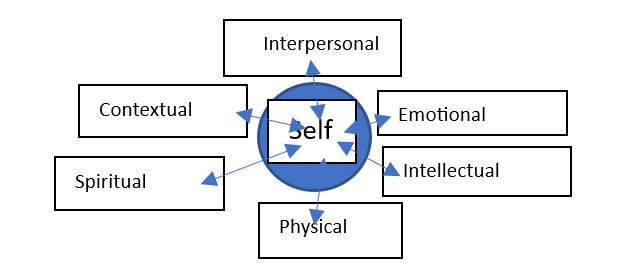
The Apostle Paul got it right when he described his stress: “This body of ours had no rest, but we were harassed at every turn – conflicts on the outside, fears within.” (2 Corinthians 7:5). This is an accurate description. Stress comes from within and from without and its fruit is evident within our bodies and in our relationships. It is pervasive and has many sources or avenues by which it enters our lives.
The Roots of Stress

Our world of experience offers several avenues to impact our lives. We live with the pleasure or pain that comes. The input comes from our senses, imagination, intuitions, cognitions, desires, and emotions. Our experience is assessed by what we value, will, belief, or our commitments. The roots of stress are nourished by all of these. These enable us to interpret our experience and thus determine the meaning of the experience. For example, the pain a mother experiences in birthing a child will have a different meaning than pain from a foolish endeavor gone wrong. The cause and the outcome change the meaning of the pain.
The Fruit of Stress
The fruit of stress is evident in our relationships, emotions, minds, and bodies. Space does not permit us to look at these in detail. Let’s look at what the Scripture says about some of these. The tensions that we experience in our relationships are very stressful. James, in his epistle (chapter 4) asks the question: “What causes fights and quarrels among you?” His answer is extensive. First, they come from “desires that battle within you.” He goes on to elaborate. They may be instigated by coveting, wrong motives, friendship with the world, or pride. The answer James indicates is found in our failure to submit to God by drawing near to him and resisting Satan. We must purify our hearts, avoid double-mindedness, and humbling ourselves.
Health issues that arise from stress often require medical intervention, which should be sought early if they are severe. Internal issues may require professional counselling, as will relational issues in many cases. However, much can be accomplished by personally doing an inventory by tracing the fruit back to the sources of stress found in the seeds or the root issues. Focusing only on the pain from the fruit is not a full solution. Addressing symptoms (i.e., fruit) is usually only a temporary solution.
Faith Confronts Stress
James also addresses the issue of how we communicate with one another. The way we speak to one another is crucial. Avoiding slander and judging others is important. Additionally, centering our lives on God’s will and accepting his sovereignty over our lives is foundational. Patience, avoidance of grumbling, seeing the compassion and mercy of God, and seeking him in prayer are all important. Prayer involves confessing sin and seeking healing. Healing issues within our hearts is equally important to seeking healing in relationships.
Another emphasis of Scripture is found in our relationship with others in the community of faith. Everyone needs supportive friends. God did not intend us to stand alone. When Paul was depressed, it was the coming of his friend Titus that brought relief. (2 Corinthians 7) All through the New Testament there is great emphasis on our opportunity, responsibility, and obligation to strengthen, comfort, encourage, and to bear one another’s burdens. (Galatians 6:2) In the same passage, we are urged to “restore” each other gently when another is being tempted. The fruit of the Spirit: “love, joy peace, patience, kindness, goodness, faithfulness, gentleness and self-control” when pursuit for ourselves and expressed toward others will reduce our experience of stress. It will also nurture the soul in profound ways.
Through the ministry of the Spirit of God in our lives, Jesus will bear our burdens as he invites us to “Come unto me, all you who are weary and burdened, and I will give you rest.” (Matthew 11:28). We find the comfort we need in our relationship with God whom Paul describes as “the Father of compassion and the God of all comfort, who comforts us in all our troubles.” (2 Corinthians 1:3-7) In this passage, it urges us to extend comfort to each other.
Whether our major stress is from without due to circumstances or from within due to personal issues of attitude, emotions, or worry, the answer to stress is found in our relationship with the God of Comfort and our relationships in a community of faith designed to fulfill the injunctions of Scripture. We may need to address stress at its seeds, roots, or at its fruit. In either case faith confronts stress and invites the resources of God and the community of faith to stand with us in addressing this challenge.
